Tired of Dark Circles? Why Brooklyn is Choosing PRF Over Under-Eye Fillers
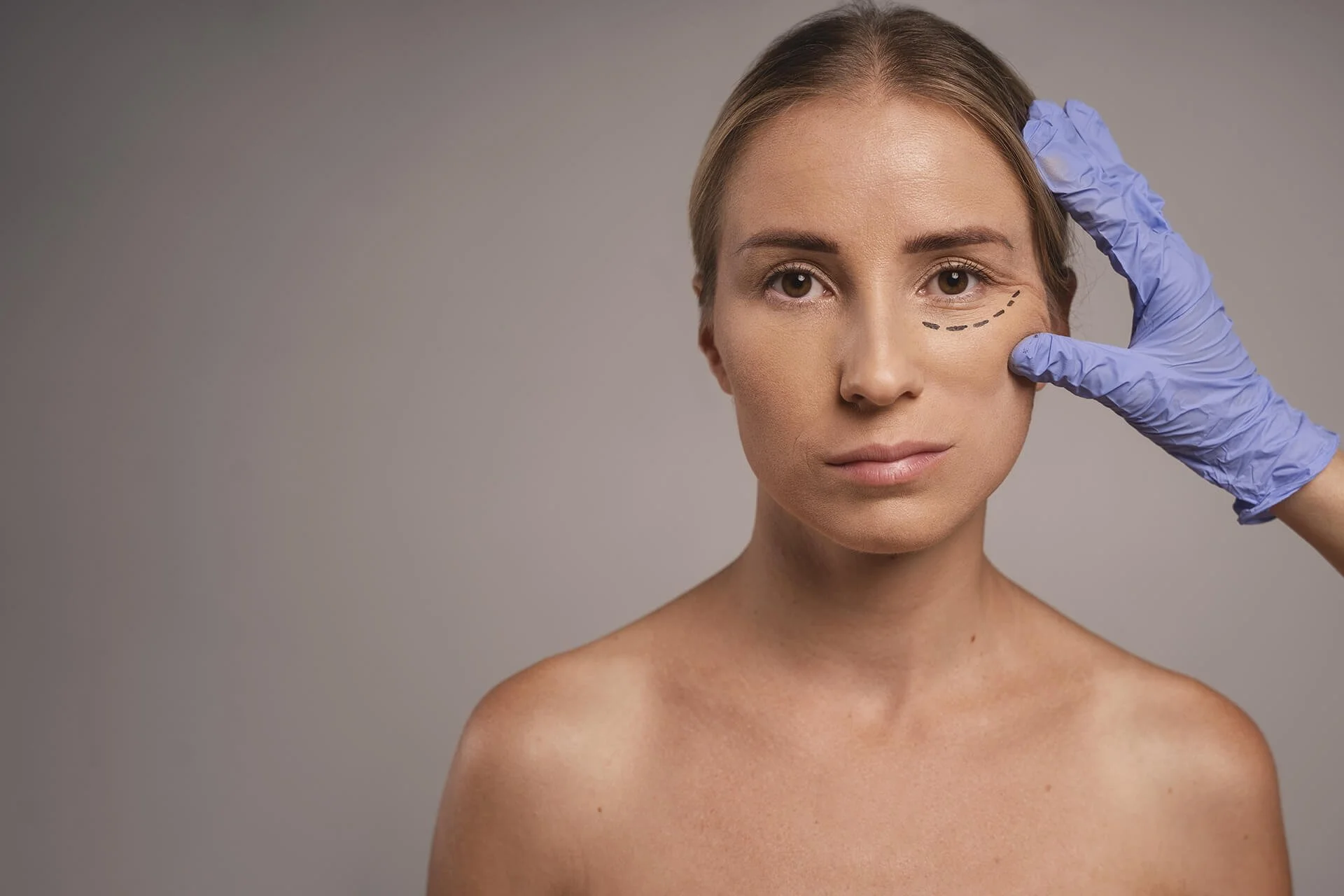
Dark circles and hollow under-eyes are one of the most common concerns we see at LY Aesthetics. As many Brooklyn professionals would agree, among the primary reasons are long workdays, constant screen time, and irregular sleep.
For years, the standard approach involved hyaluronic acid fillers placed under the eye. That method can help in some cases, although it does not improve the quality of the skin itself. In a thin area like the tear trough, fillers can also lead to issues such as puffiness or discoloration.
Because of this, more patients are asking about regenerative treatments that rely on their own biology. Two options now lead that discussion: Platelet-Rich Plasma (PRP) and Platelet-Rich Fibrin (PRF). When comparing PRP vs. PRF for dark circles, the conversation today centers on biostimulation rather than synthetic filling. In other words, instead of masking the hollow, the goal is to stimulate collagen and rebuild healthier tissue. At LY Aesthetics, PRF is increasingly chosen by patients who want under-eye improvement that looks natural and develops gradually.
The "Rule of Thumb" Plasma Comparison Table
| Feature | PRP (Platelet-Rich Plasma) | PRF (Platelet-Rich Fibrin) |
|---|---|---|
| Growth Factor Release | Immediate "Burst" | Sustained "Slow Release" (7-10 days) |
| Consistency | Liquid / Thin | Gel-like / Fibrin Matrix |
| Best For | Overall skin glow / Surface texture | Deep hollows, dark shadows, and volume |
| Centrifugation | High speed (with anticoagulants) | Low speed (100% natural / no additives) |
| Brooklyn Vibe | The Weekend Refresh | The Under-Eye Reconstruction |
Why PRF is the Better Choice for Hollow Eyes
The tear trough area presents a unique challenge. The skin is extremely thin and sits directly over delicate blood vessels and bone structure. When volume decreases in this region, the result is not only a shadow but also a visible hollow. This is where PRF treatment for hollow eyes offers an advantage.
Platelet-Rich Fibrin works differently from most injectable treatments because of its fibrin matrix. When PRF is prepared from the patient’s blood, the slow centrifugation process creates a gel-like structure rich in platelets, growth factors, and fibrin proteins. This matrix acts as a natural scaffold once injected under the eye. Over time, it supports tissue regeneration and encourages new collagen production, gradually thickening the skin and softening the hollow appearance.
PRP, by comparison, is more fluid. Platelet-Rich Plasma delivers growth factors that help improve skin tone and brightness, which is why it is often used for general skin rejuvenation. However, because PRP has a thinner consistency, it does not provide the same structural support in deeper tear trough depressions.
For patients specifically concerned with hollow under-eyes, the fibrin matrix found in PRF can provide a more suitable approach. At LY Aesthetics, this regenerative method is commonly used as part of our specialized PRF therapy for tear troughs, where the goal is not only to brighten the area but also to rebuild healthier tissue beneath the skin.
Solving the "Tired Look": PRF vs. Synthetic Fillers
Another reason PRF is gaining attention is something many practitioners now call “filler fatigue.” Over the past decade, hyaluronic acid fillers became the standard treatment for tear trough correction. While fillers can improve the appearance of hollows, some patients eventually notice issues such as puffiness, uneven texture, or a subtle bluish tint under the skin. In Brooklyn especially, we see more patients asking to dissolve older fillers before switching to regenerative treatments.
One reason is the way these treatments behave under the skin. Traditional fillers are designed to add volume by placing a gel-like substance over the bone in the tear trough area. The filler physically fills the depression, which can soften shadows but does not improve the underlying skin quality.
Instead of placing a synthetic material into the hollow, Platelet-Rich Fibrin stimulates the body’s own repair process. The growth factors released from PRF gradually activate collagen production and improve the thickness and quality of the skin.
Because the under-eye skin is thin and delicate, many patients prefer a treatment that integrates with their natural tissue rather than sitting beneath it. For people who want a more natural correction of dark circles, Platelet-Rich Fibrin (PRF) injections NYC clinics offer are increasingly becoming the preferred approach.
What to Expect During Your Brooklyn PRF Session
A PRF for under-eyes Brooklyn session is straightforward and typically takes less than an hour. The first step is a small blood draw, similar to a routine lab test. The sample is then placed in a centrifuge that spins at a lower speed than traditional PRP preparation. This “slow-spin” process allows the formation of Platelet-Rich Fibrin, a natural matrix that contains platelets, fibrin proteins, and growth factors.
Once the PRF is prepared, the provider carefully injects it into the tear trough area using a fine needle or cannula. The goal is precise placement along the hollow where tissue support is needed. Because Platelet-Rich Fibrin (PRF) injections use material derived entirely from the patient’s own blood, there is essentially no risk of allergic reaction or rejection.
Most appointments take around 30-45 minutes, and patients usually return to normal activities shortly afterward. Some mild swelling or bruising can occur, but it typically resolves quickly.
Research supporting these treatments continues to grow. Recent clinical studies on PRF vs. PRP for skin thickness have examined how PRF may help improve tissue quality and collagen production in delicate facial areas such as the under-eyes.
A Natural Approach to Under-Eye Rejuvenation
For many patients, treating dark circles is no longer about covering the problem or filling the hollow temporarily. The goal is to improve the quality of the skin and restore support in a way that looks natural. That is why treatments such as PRF treatment for hollow eyes are gaining attention among patients who want subtle, long-term improvement.
By using Platelet-Rich Fibrin derived from the patient’s own blood, this approach focuses on regeneration rather than camouflage. Over time, the fibrin matrix releases growth factors that stimulate collagen and gradually strengthen the delicate tissue under the eyes. The result is a smoother transition in the tear trough area without the risk of synthetic fillers sitting under thin skin.
For those researching PRF for under-eyes Brooklyn options, this regenerative method has become a preferred choice for achieving a refreshed appearance without looking overdone.
Ready to see the natural difference? Book your Brooklyn PRF consultation at LY Aesthetics today.
FAQ
-
Results from PRF treatment for hollow eyes develop gradually because the treatment stimulates your own collagen production rather than adding instant synthetic volume. Most patients begin noticing improvement in skin thickness and shadow reduction within several weeks. The effects can last six to twelve months depending on age, skin quality, and lifestyle factors. Many providers recommend a series of two to three sessions initially to build collagen support under the eyes, followed by occasional maintenance treatments.
-
Recovery is generally similar for both treatments. When comparing PRP vs. PRF for dark circles, patients can expect mild swelling, slight redness, or small bruises around the injection sites. These effects usually resolve within a few days. Because both PRP and PRF are derived from the patient’s own blood, the body typically tolerates them well.
-
Yes, PRF can often be combined with other aesthetic treatments depending on the treatment plan. Botox may be used to soften dynamic wrinkles around the upper face, while PRF addresses skin quality and hollowing under the eyes. In some cases, small amounts of filler may still be used for structural correction in other areas of the face. However, many patients specifically prefer it because it reduces the need for filler in the delicate tear trough region.
-
Most patients tolerate the procedure well. Before injections, a topical numbing cream is usually applied to reduce discomfort. The injections themselves use very fine needles or cannulas designed for delicate facial areas. Patients receiving Platelet-Rich Fibrin (PRF) injections NYC clinics offer often describe the sensation as mild pressure rather than pain. The entire treatment typically takes less than an hour from start to finish.
-
The growth factors in the fibrin matrix begin signaling the body to produce new collagen. Subtle improvements may appear within two to three weeks as skin quality improves. More noticeable changes typically develop between four and eight weeks.